Hey! Wir haben neue Angebote für Sie!

Social
Jetzt buchen
Scavi National Geographic
National Geographic | Torre del Porticciolo
Torre del Porticciolo
National Geographic | Torre del Porticciolo
Torre del Porticicolo dinosauro
National Geographic | Torre del Porticciolo
Bei einer Buchung über diese Website genießen Sie exklusive Vorteile.
Versichern sie ihren aufenthalt!
Buchung stornieren / ändern

4 motivi per prenotare sul nostro sito ufficiale

  • Miglior tariffa internet garantita
  • Offerte speciali esclusive
  • Codici sconto per viaggi in nave (su disponibilità)
  • Rapporto diretto con la struttura

Der Protodinosaurier von Torre del Porticciolo: Fossilien eines "Unikats" entdeckt

Die Küste der Wunder: Es sind fossile Überreste von 270 Millionen Jahren entstanden

24Jan2020

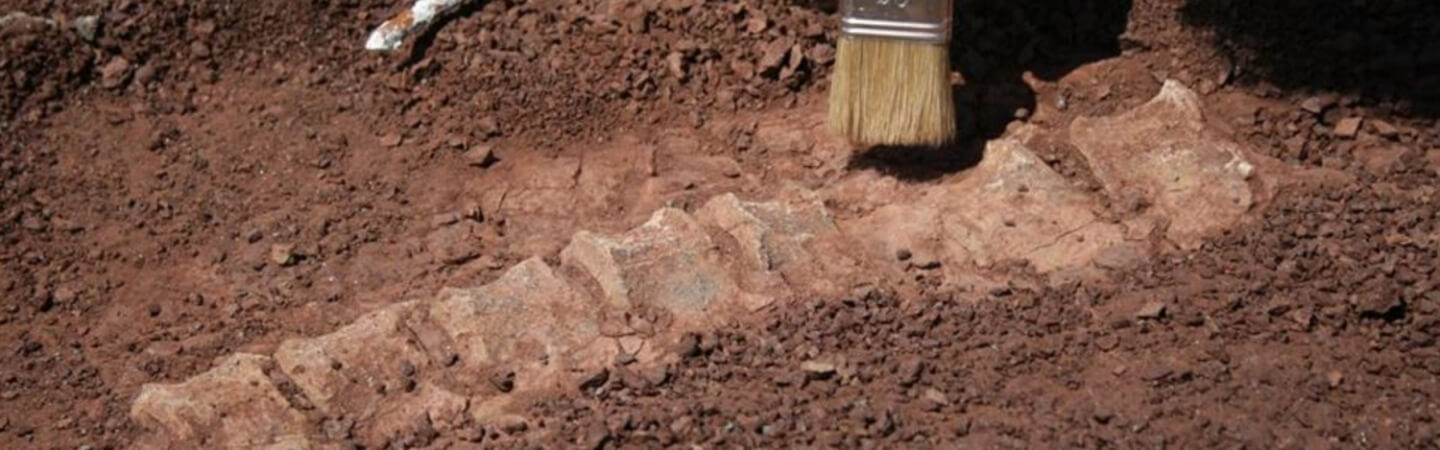
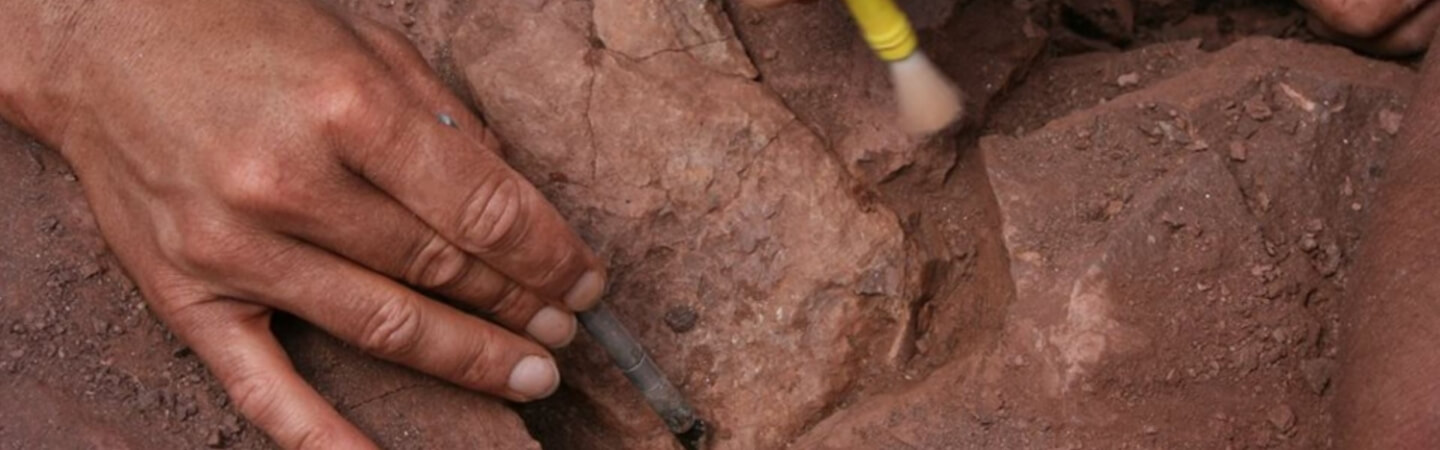
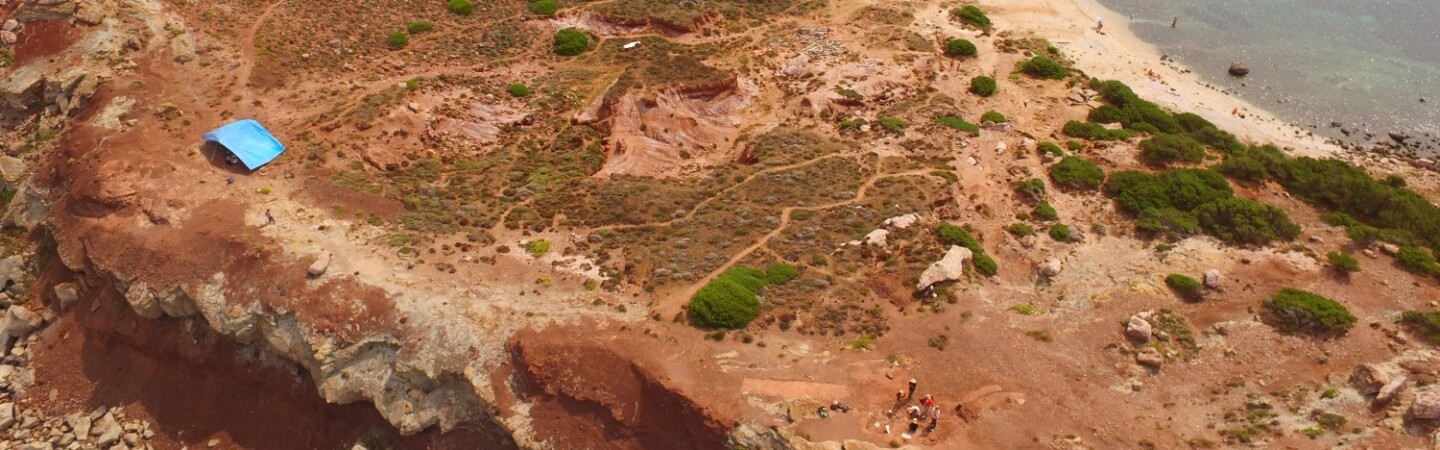
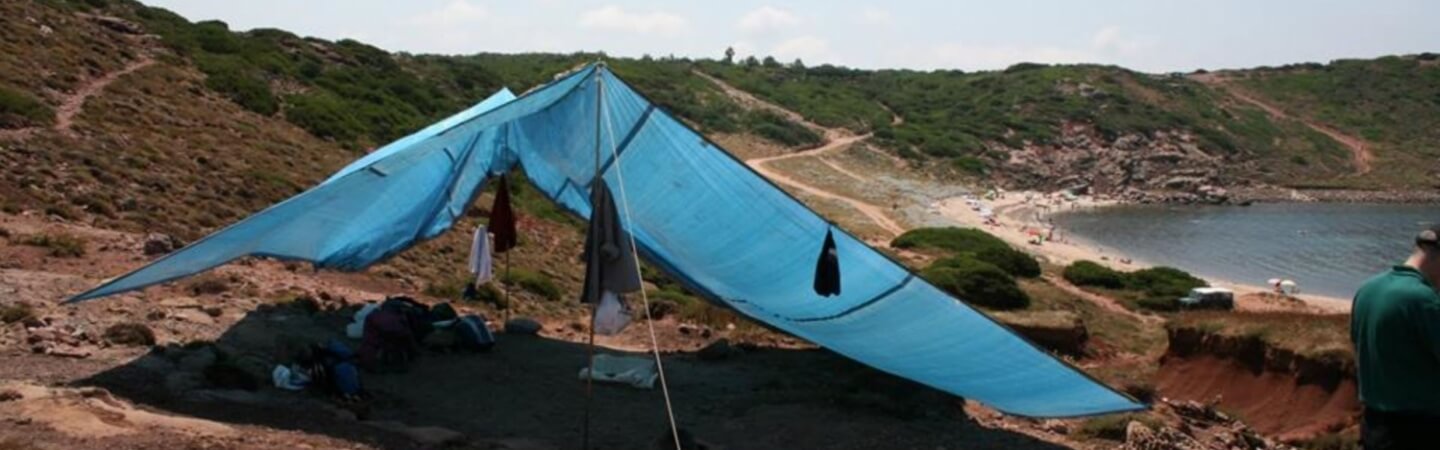
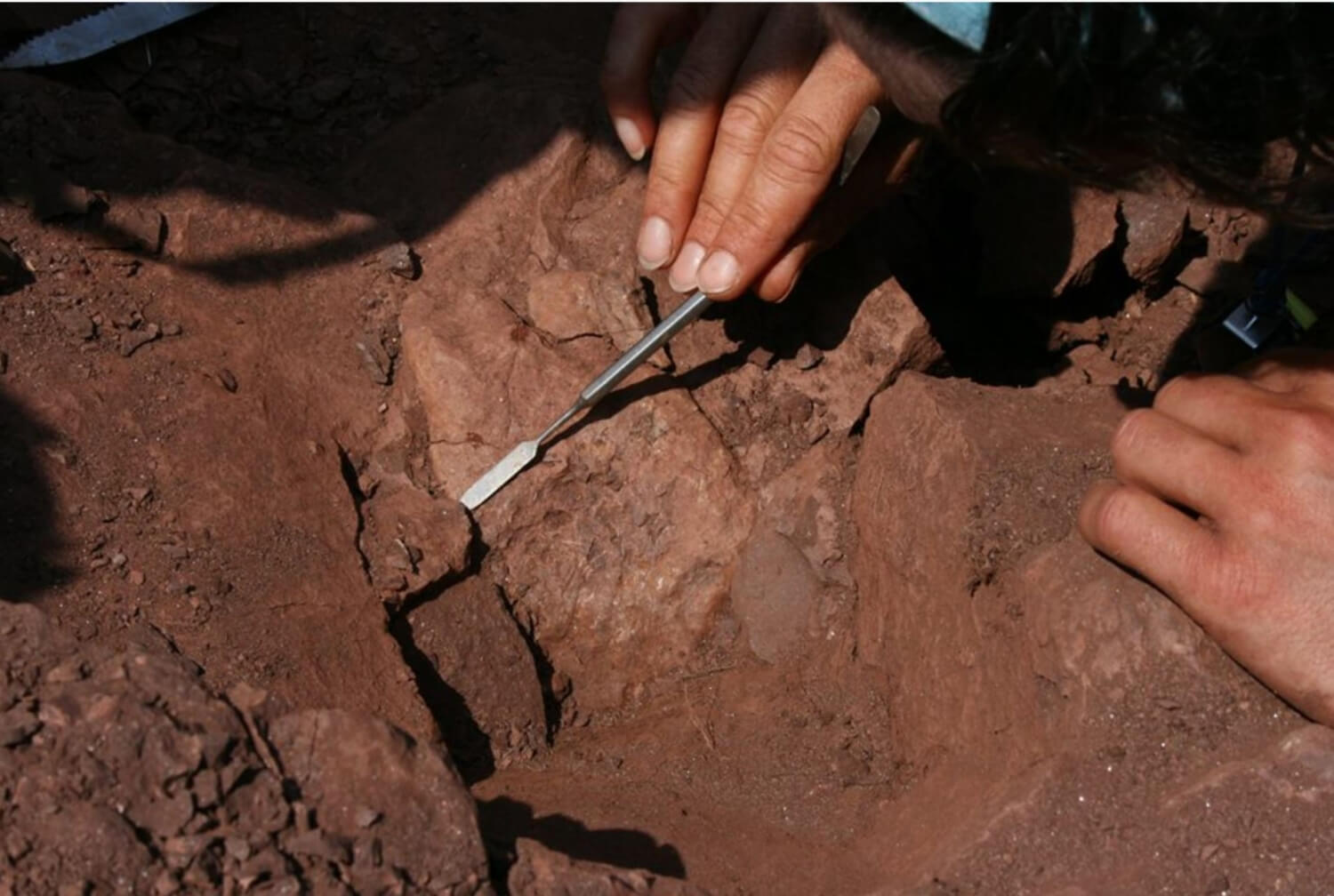
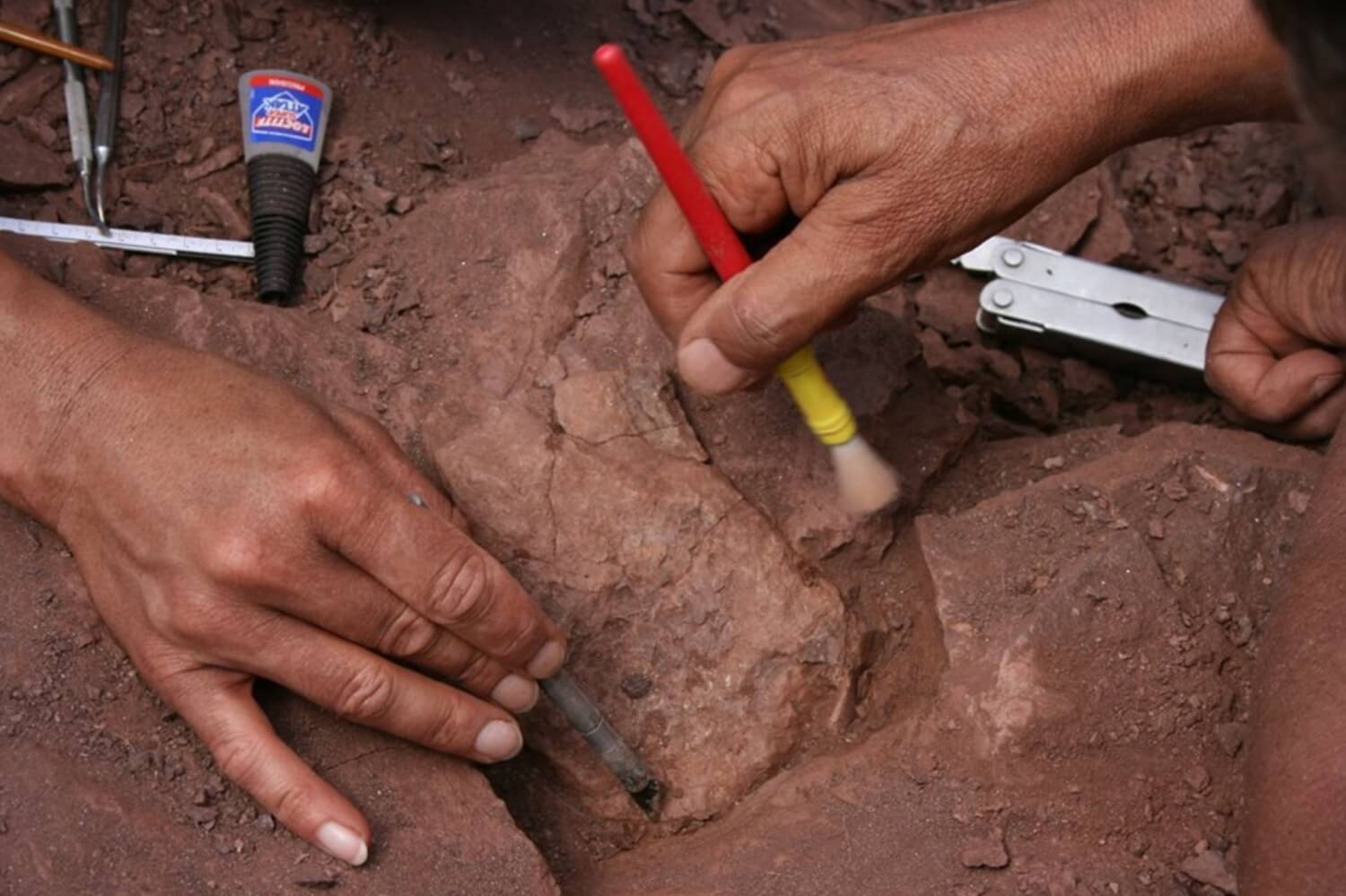
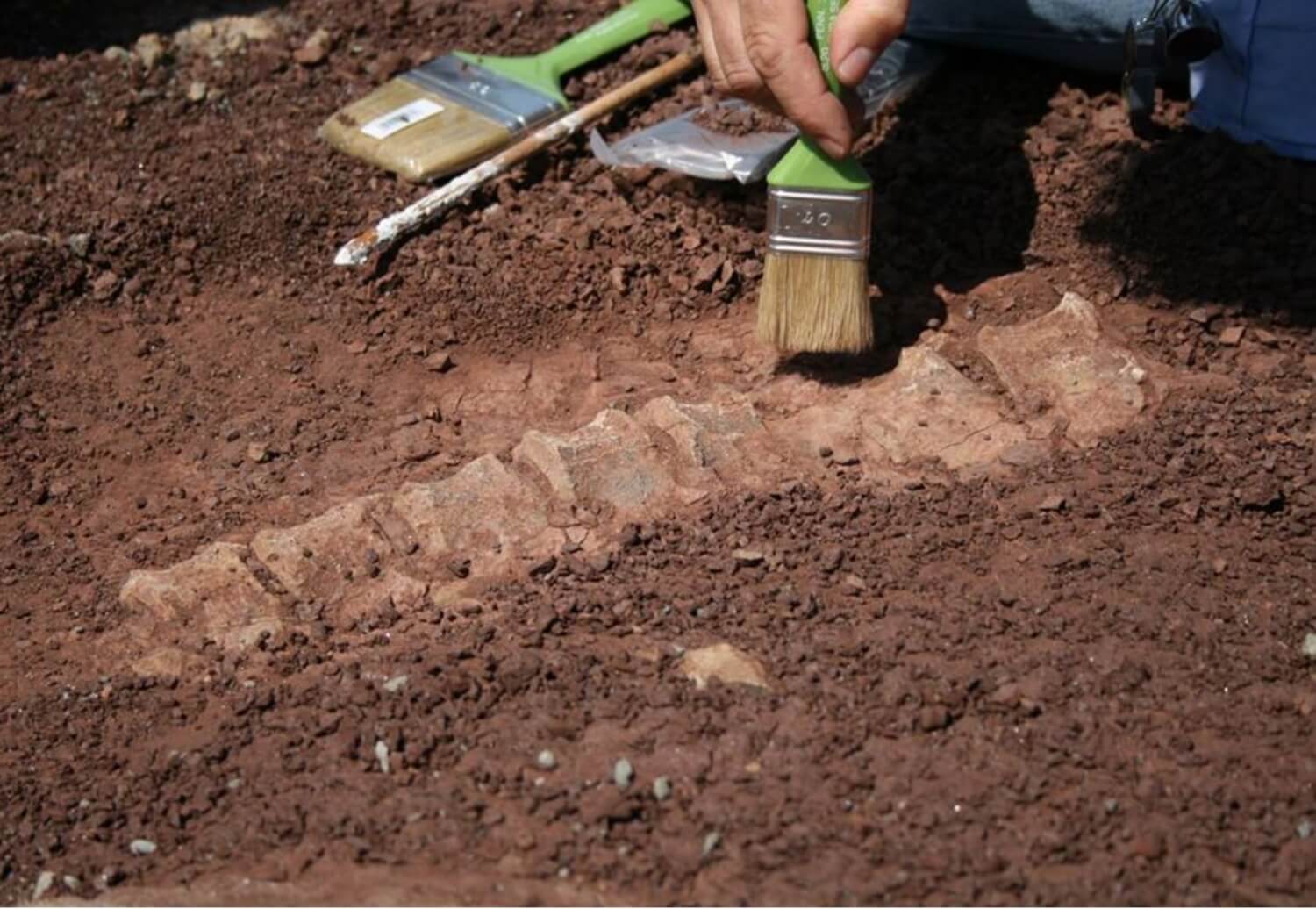
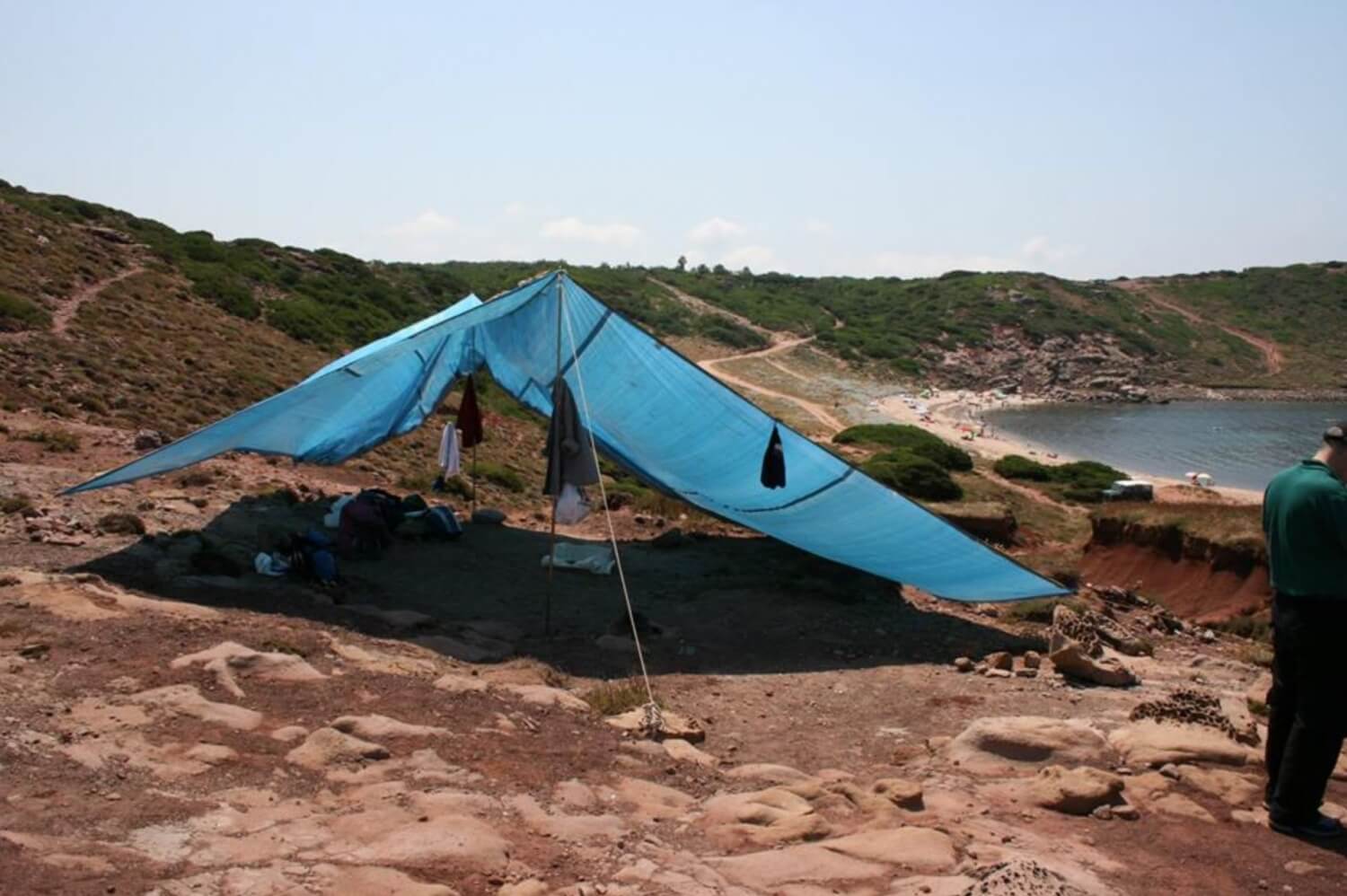
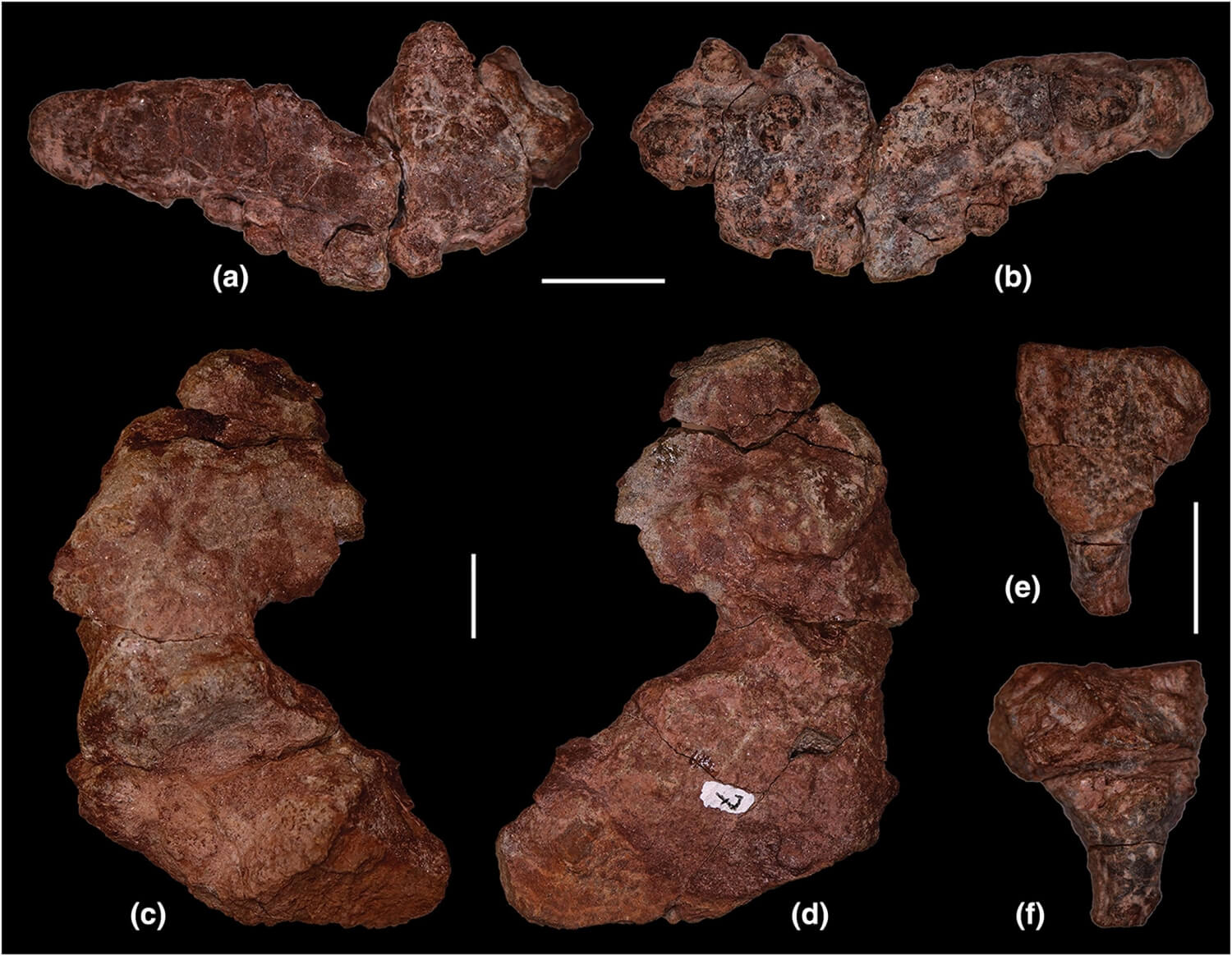
Im Gebiet von Torre del Porticciolo wurden Fossilien von riesigen Reptilien gefunden, die am Ende des Paläozoikums lebten, das etwa 270 Millionen Jahre zurückliegt. Die Entdeckung wurde von einer Gruppe Paläontologen der Universität Pavia und der Universität La Sapienza in Rom in Zusammenarbeit mit National Geographic gemacht. Das Exemplar, das zur Gattung Cotylorhynchus gehört, ist das erste große paläozoische Wirbeltier, welches in Italien entdeckt worden ist.

Die Paläontologen haben keine Zweifel daran, dass es sich dabei um ein einzigartiges Exemplar handle, das Erste seiner Art, welches in Italien gefunden wurde. Sein Name ist Alierasaurus Ronchii und es handelt sich um eine Art pflanzenfressenden Vorfahren der Dinosaurier, der im Mittleren Perm vor 279 und 272 Millionen Jahren gelebt hatte. Seine Fossilien wurden als Einlagerungen in den Formationen von Cala del Vino entdeckt, im Vorgebirge zu Torre del Porticciolo ad Alghero und diese wurden diesen Monat vollständig in der Zeitschrift Palaeontologia Electronica der Öffentlichkeit bereitgestellt. Zudem wurden sie gemeinverständlich in National Geographic veröffentlicht. Die Forschungen wurden durch ein Team der Abteilung für Geowissenschaften der Universität Pavia in Zusammenarbeit mit der Abteilung für Geowissenschaften der Universität La Sapienza in Rom, dem Naturmuseum von Mailand sowie dem Museum für Naturkunde in Berlin vorwärts gebracht. Bereits seit den ersten Ausgrabungen haben die Wissenschaftler gemutmaßt, dass sie es mit einem der größten bisher aufgetauchten Fundstücke zu tun hatten. Untersuchungen an Teilen des Schädels, der Wirbelsäule und den Füßen haben dies bestätigt. Seine Länge beträgt in etwa 7 Meter. Zusammengenommen handelt es sich um einen echten Giganten, der aber als Besonderheit einen sehr kurzen Hals und einen regelrecht noch kleineren Kopf im Verhältnis zu seinem Körper besitzt. Alles in allem wirkt das Tier daher gedrungen wie ein Fass, mit in Bezug zu den hinteren Gliedmaßen längeren und kräftigeren vorderen Extremitäten. Eine weitere Besonderheit ist der nur rudimentär vorhandene Kauapparat. Die Zähne – wie der Paläontologe des Museums für Naturkunde in Berlin in National Geographic bemerkte – werden nicht zum Zerkauen der Nahrung, sondern zum Zerreißen der Pflanzen, die im Ganzen verschlungen werden, verwendet. Die Nahrung wird dank einer mächtigen Zunge zerrieben, die die Pflanzen an einer zahnartigen Auswachsung am Gaumenknochen zerdrückt.

Bis zur Entdeckung vor vier Jahren in Porticciolo dachte man, dass diese bestimmten Exemplare nur auf einem begrenzten geografischen Gebiet in den Vereinigten Staaten beschränkt wären.

Diese Entdeckung erweitert also die mögliche geografische Verteilung der Familie der Cotylorhynchus und bestätigt die Hypothese einer kontinuierlichen Erdbesiedlung zwischen Nordamerika und Europa während des gesamten Perms und für den Großteil des Mittleren Perms: die Migration der Tiere setzt eine solche Kontinuität voraus.

- Info -

Sito realizzato con finanziamenti dell'Unione Europea e con il supporto della Regione Autonoma della Sardegna.
Partners

Credits: Mentefredda - Web marketing turistico

Accessibility
close
Accessibility Information

Together with our selected providers, we are committed to ensuring that our services are accessible to people with disabilities. We devote significant resources to ensure that our website and room booking pages are easier to use and more accessible for individuals with disabilities, based on the strong belief that everyone has the right to live with dignity, equality, comfort, and independence.

Along with our partners, we continuously strive to improve the accessibility of our website and the pages for booking rooms and/or purchasing additional products and services related to the stay. We firmly believe it is our collective moral obligation to allow seamless, accessible, and unhindered use, even for those of us with disabilities.

In our ongoing efforts to improve and consistently address accessibility issues, we regularly scan all web pages using accessibility scanners provided by third-party commercial partners to identify and fix any potential accessibility barriers on our site. Despite our efforts to make all our web pages and content fully accessible, some content may not yet have been fully adapted to the strictest accessibility standards. This may be due to not having yet found or implemented the most appropriate technological solution.

Compliance Status

This website and the room booking pages are partially compliant with the technical standard for websites and mobile applications UNI CEI EN 301549, and with the “AA” accessibility level required by the Web Content Accessibility Guidelines (WCAG) 2.1.
In particular, the compliance level of this website is constantly monitored through the tools provided by:
https://mauve.isti.cnr.it/
https://pagespeed.web.dev/

Non-accessible Content

Despite our efforts to ensure the accessibility of the website and booking pages, we are aware of some limitations we are working to resolve. Below is a description of the known limitations. Please contact us if you encounter an issue not listed below.

  • Image text alternatives: Some images do not have meaningful text alternatives for users.
  • Reading order: Due to the modular structure of some pages, the reading order of elements may not match their visual order.
  • Focus contrast: In some cases, when elements receive focus, there may be insufficient contrast between text color and background.
  • Keyboard operability: Some components cannot be operated using only a keyboard.
  • Animated content: Some pages contain animated content that cannot be paused or hidden.
  • Focus visibility: In some pages, the element with active focus is not visually identifiable.
  • Language accessibility: Some elements display text or accessible names only in certain languages.
  • Assistive technology: Assistive technologies may not always correctly announce messages.

Last Updated

This page on accessibility was last updated on June 25, 2025.